My Year of Bookish Wisdom: 2025
by Miles Raymer
Besieged By Change
I don’t think I’m alone in saying that 2025 made my head spin. In the many conversations I had about the state of the world this year, I found myself returning to this image of being caught in a “pincer move,” getting squeezed by the dual pressures of developments in AI and our nation’s political chaos. There are of course plenty of other things to worry about, but technology and politics did the most to heighten my anxiety and uncertainty. I believe the pace and power of these changes are unprecedented in human history, and evolution has done little to prepare our body-minds for the onslaught of adaptations needed to meet this moment. I’m trying to get more comfortable with it––trying to “ride the wave,” as they say––but boy oh boy, I am not built for this!
There was one significant change in my life this year that I want to celebrate: my first attempt at getting involved in men’s work. This is something I’ve been thinking about for years now, but in 2025 I had the good fortune of connecting with a local nonprofit that was interested in funding men’s work. With their support, I was able to design and initiate a “prosocial masculinity working group.” This group is essentially a men’s book club where we work to develop a common language, set of ideas, and values that support our growth and explore potential supportive programming for boys and men in Humboldt County. It’s a small and experimental endeavor, and I honestly have no idea where it might lead. But I am loving the work in the here and now.
2025 was also a year in which I felt my relationship with reading––and with storytelling more generally––beginning to shift. Partly this is because I don’t have nearly as much time to read as I used to, but it’s also because of the choices I am making about how to spend my free time. While I managed to read seventeen books this year, which isn’t too shabby, that number is way down compared to most of the years since I started Words&Dirt. The primary reason for this is that I’m spending more time playing video games than I am reading books. This has probably been true for a number of years, but for a long time I wasn’t comfortable admitting that publicly––or even privately. I carried a lot of shame about being a gamer, seeing it as a “boyish” activity that was incongruous with the adult man I was trying to become. But I’ve been taking a different approach lately, one characterized by self-acceptance, integration, and honesty with myself and others about the deep love I have for video games. And the reality is that the narrative quality of some modern games is starting to rival the great novels of the past and present. There is so much promise and richness in this still-new but rapidly-maturing medium.
I’m not sure what this means for Words&Dirt, but for now things are moving along pretty much the way they have in the past. I did write my first-ever video game review this year, which I’ll explain and link to below. I don’t know if I’ll experiment with more of those in the future. I also don’t know if gaming is something I’ll stick with over time, but I do know that, for now, I’m grateful for the joy and excitement that it brings to my life.
Nonfiction
Like all his previous books, Yuval Noah Harari’s Nexus deploys the lens of history to sharpen our view of the present.
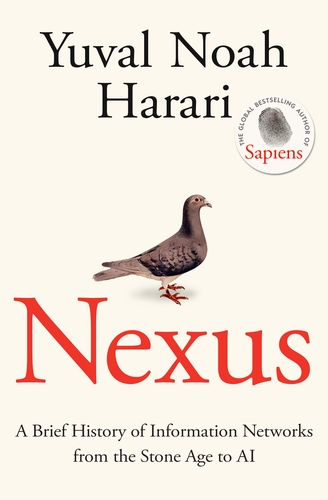
Focusing on the historical trends and current states of global information networks, Harari demonstrates the dangerous half-truths that arise from flawed theories of information. He also presents his own theory that information networks help civilizations balance the natural tension between the pursuit of empirical truth and the maintenance of social order. Harari invites us to grapple with the question of how humanity has amassed such immense technological power while remaining self-destructive and unwise. In the age of artificial intelligence, the time we have to pair our power with corresponding maturity is rapidly running out. Nexus is an intense and urgent book that offers an accessible entrance to the AI debate for readers new to the subject, as well as hard-hitting insight for readers already steeped in AI theory.
I loved reading Michael Lewis’s Who Is Government?, a collection of essays about heroic public servants who are anonymously grinding away inside the federal workforce.
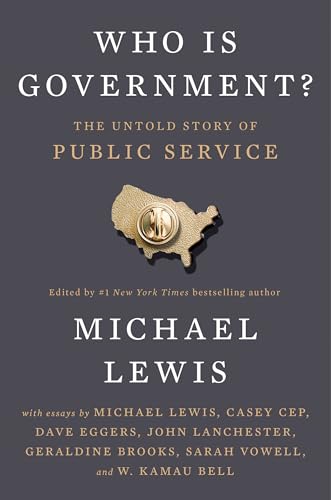
Who Is Government? features two essays by Lewis and six essays by an august group of other authors, including Geraldine Brooks and Dave Eggers. Most of the essays feature a person, or small group of people, who have done remarkable things such as figuring out how to drastically reduce roof collapses in mines, or tracking cybercriminals so they can be brought to justice. One fascinating offering by John Lanchester, “The Number,” explains the nuances of the Consumer Price Index and its important role in America’s modern economic system. All the essays are engaging, concise, and a pleasure to read. In a year that tested the limits of my patriotism, this book reminded me why I love the USA and am proud to be one of its citizens.
Steve Peters’s A Path Through the Jungle is a unique and valuable guide to self-understanding and self-regulation.
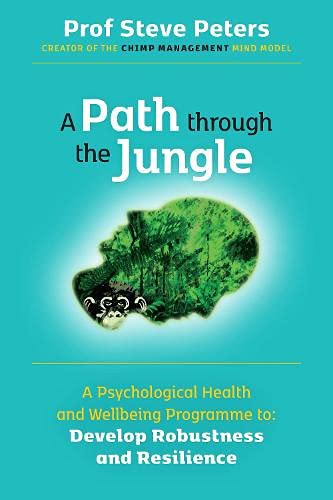
The book is presented in seven “Stages,” each of which is comprised of “Units” that build on each other sequentially. The core set of ideas is what Peters calls the “Chimp Model,” summarized in this image from Unit One:
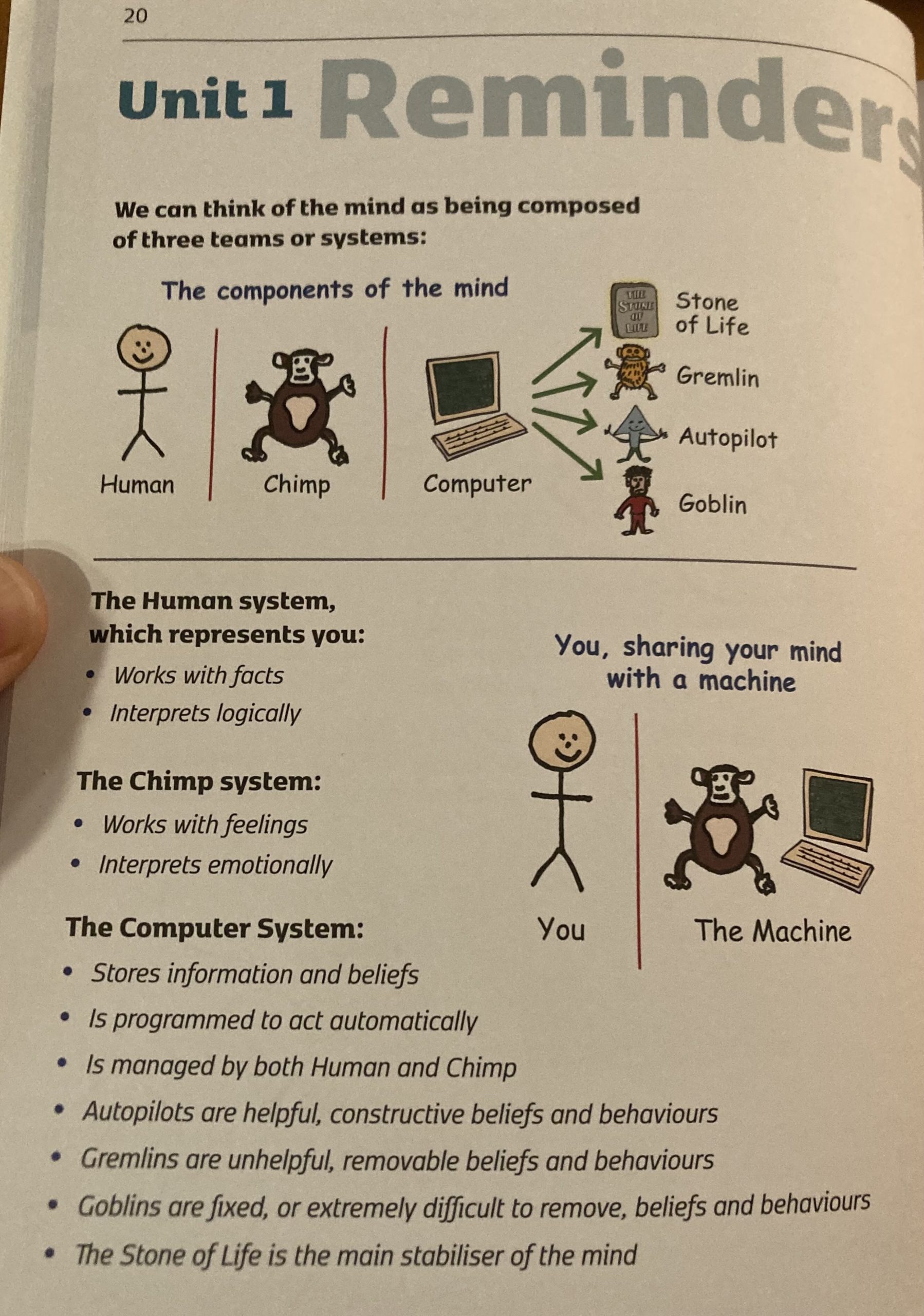
A Path Through the Jungle delivers on its promise to help readers understand their own minds and develop tools to manage their internal and interpersonal lives. Peters’s model is genuinely novel, empirically-sound, accessible, compassionate, and fun! It’s hard for me to imagine someone engaging with this book and not taking away at least a few fresh ways to improve themselves, and for some readers it will offer transformational potential.
Media Recommendations
Music
- Nexum by INZO & Blookah––Very weird and fun music, great for a walk on a sunny day or puttering around the in garden
- Clair Obscur: Expedition 33 OST by Lorien Testard––Incredible video game soundtrack, some of the melodies stayed stuck in my head for months after I finished the game
- Our Time in the Sun by Jeremie Albino––Albino never misses, all his music is great
- You’ll Be Alright, Kid by Alex Warren––Wholesome pop/rock/folk/country ballads that make my heart happy
- Songs of the Year:
“The Sound of Silence (CYRIL Remix)” by Disturbed––Gorgeous dance cover of my favorite pop song from my youth
“Take on Me (Cover)” by Ashley Johnson––Haunting cover from The Last of Us Part 2, discovering this scene in the game was my favorite gaming moment of the year
Podcasts
- Old School with Shilo Brooks––Excellent interviews about how great books have impacted the lives of men who read them
- Clearer Thinking with Spencer Greenberg––All of Greenberg’s interviews are good, but I particularly enjoyed his recent series speaking to people who have been diagnosed with serious psychological disorders
- The Last Invention––Great overview of the AI safety debate, thoroughly explains all sides of the issue with journalistic neutrality
Video Games
- God of War: Ragnarök––Peak combination of emotional storytelling and third-person combat, the scenes with Fenrir made me weep
- Clair Obscur: Expedition 33––Exceptional game in so many ways, loved the characters, art design, music, and innovative combination of turn-based combat with live action elements
- Cyberpunk 2077––Replayed this year to experience the Phantom Liberty DLC, game is a complete masterpiece in every way
- The First Berserker: Khazan––The hardest video game I have ever finished, stellar combat system, an apex of “challenging but fair”
- The Last of Us: Part 2 Remastered––Storytelling that felt on par with a “great novel,” inspired me to write my first-ever video game review
Fiction
One surprise hit this year was There is No Antimemetics Division by qntm. This book absolutely blew me away.
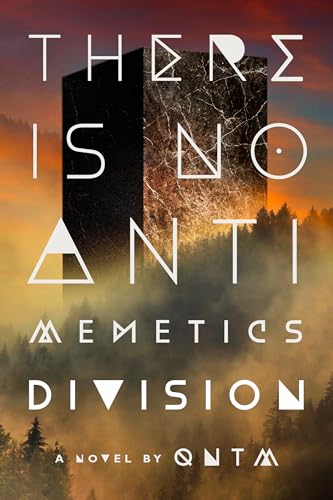
There is No Antimemetics Division is a mind-bending speculative novel about a secret task force fighting entities that erase themselves—and all memory of them—from human awareness. It’s a good match for fans of science fiction, dystopias, cosmic horror, thrillers/mysteries, competence porn, and even romance novels. Keeping up with all the different ideas and narrative layers is an intellectual workout, but qntm does an excellent job of balancing accessibility with informational density. Much of the story is terrifying, forcing the reader to entertain scenarios that are psychologically and emotionally disturbing. But woven into this dark tapestry are threads of hope and courage that shine through with utter brilliance, illuminating a possible human future unfettered by fear. Qntm delivers a masterful tale about the pitfalls and potentials of human nature. It left me feeling uplifted and empowered, and more than a bit wrecked. But it was the kind of wrecked I crave from a good novel––the joyful exhaustion that reminds me I’m alive and capable of feeling deeply.
Many of those qualities can also be found in Stephen King’s It. Despite liking a few of his stories over the years and enjoying his memoir On Writing, I’ve been a snob about King for pretty much my whole adult life. I saw him as a literary shock-jock who attracted millions of readers by appealing to the lowest common denominator. But when I decided to make It my reading project over Thanksgiving break, I got to experience one of the great joys of being a lifelong learner: realizing I was wrong.
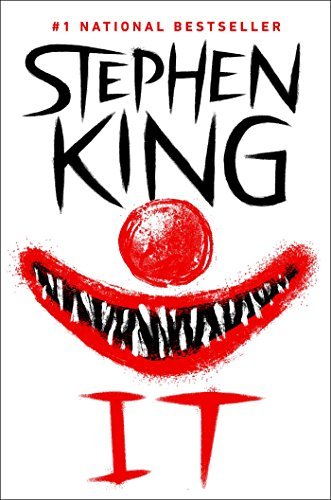
Apparently I mistook King’s popularity for superficiality, not realizing how much emotional intelligence and narrative craftsmanship underlie his best work. It isn’t just a great horror story, or a better-than-average novel cranked out by an ultra-prolific author, or a 1,200-page doorstopper that somehow doesn’t feel overlong. It is all of those things, but it’s also a beautiful celebration of childhood friendships counterbalanced by a sobering meditation on the nature of adulthood and aging.
It’s been a long time since I read something that felt like a “Great American Novel,” but I can’t think of a better way to praise Ocean Vuong’s The Emperor of Gladness.
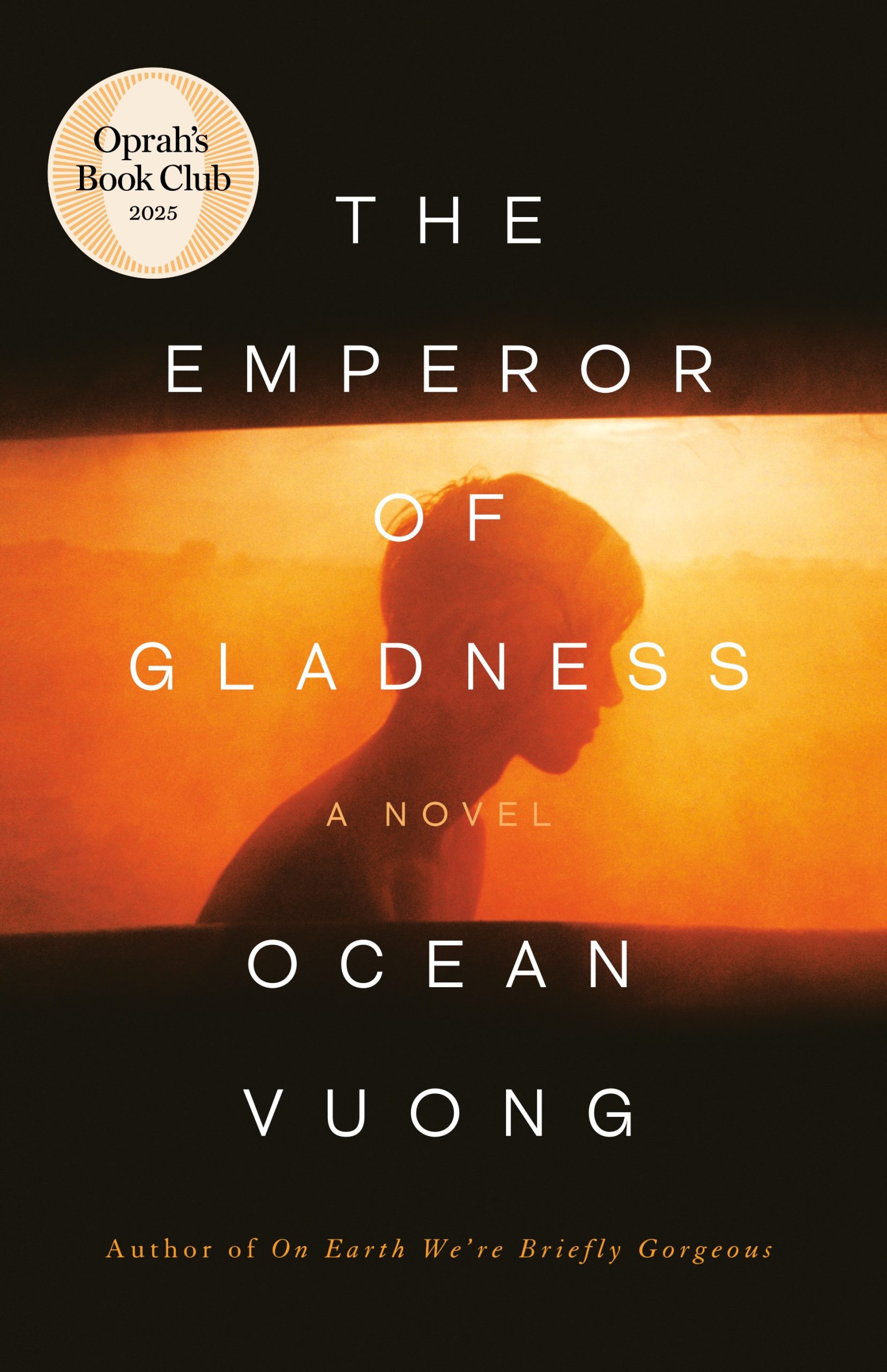
This exquisite story seduced me, confused me, teased me, surprised me, and ultimately left me soaking in a puddle of my own joyful tears. The protagonist is a young man named Hai, the son of a Vietnamese refugee who fled to America in the aftermath of the Vietnam War. Reeling from the combined effects of a recent loss, dropping out of college, and an addiction to painkillers, Hai stumbles into the life of an elderly woman named Grazina in the sleepy town of East Gladness, Connecticut. In late summer of 2009, they form an unlikely friendship and Hai becomes Grazina’s unofficial caregiver. From this starting point, a poignant and bizarre tale unfolds, one that is both gritty and fantastical, like a dirty puddle reflecting a beautiful sunset.
Vuong is preoccupied with the nature of friendship, the inner workings of the American industrial food system, the traumatic effects of fleeing war zones, the fates of forgotten citizens who do our dirty work, and––most importantly––how people can find love and belonging amidst decay, failure, and poverty. In a nation that treats mass suffering as the simple cost of doing business, Vuong asks readers how deep into the waters of indifference we are willing to wade. And if we find ourselves drowning, who will be there to pull us out?
Saying Goodbye to a Generation of Raymers
On November 14th of this year, my paternal grandmother, Donna Raymer, passed away at her home in Elk Grove, CA. She was 92 years old, and lived with her body and mind intact right up to the end. “Grammy,” as we called her, was my last living grandparent. She was always kind and generous to me, and she leaves a legacy of three children, five grandchildren, and many loving friends and extended family members. Grammy was a devout Christian, and if there is a Heaven I believe she’s there now.
Earlier this month, I traveled to Elk Grove with my father and mother-in-law to celebrate Grammy’s life. My aunts asked me to read the eulogy they wrote, and I was honored to do so. Dad also gave a speech that was funny and touching, and that captured their complex relationship. Others shared memories and songs to give Grammy a proper sendoff.
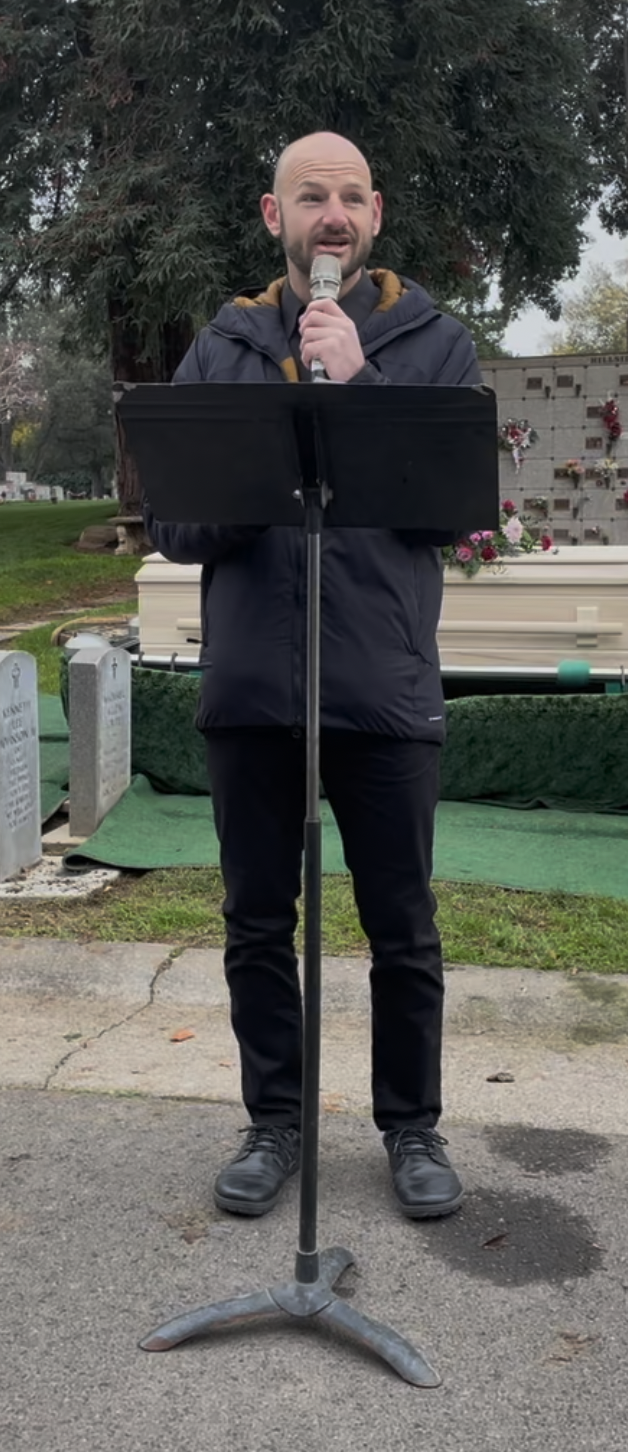
Grammy’s passing has given me cause to consider what it means to say goodbye to one generation and welcome the ascension of the next. Death is arguably the most powerful change agent in human life, bringing tragedy as well as the gift of renewal as we all learn to step into the roles once held by our forebears. There was something special about watching my father quietly assume a new position in my family system, one that feels more patriarchal and blessed with wisdom. And I felt the tug of time––ever-present despite my protestations––pull me along into another place as well.
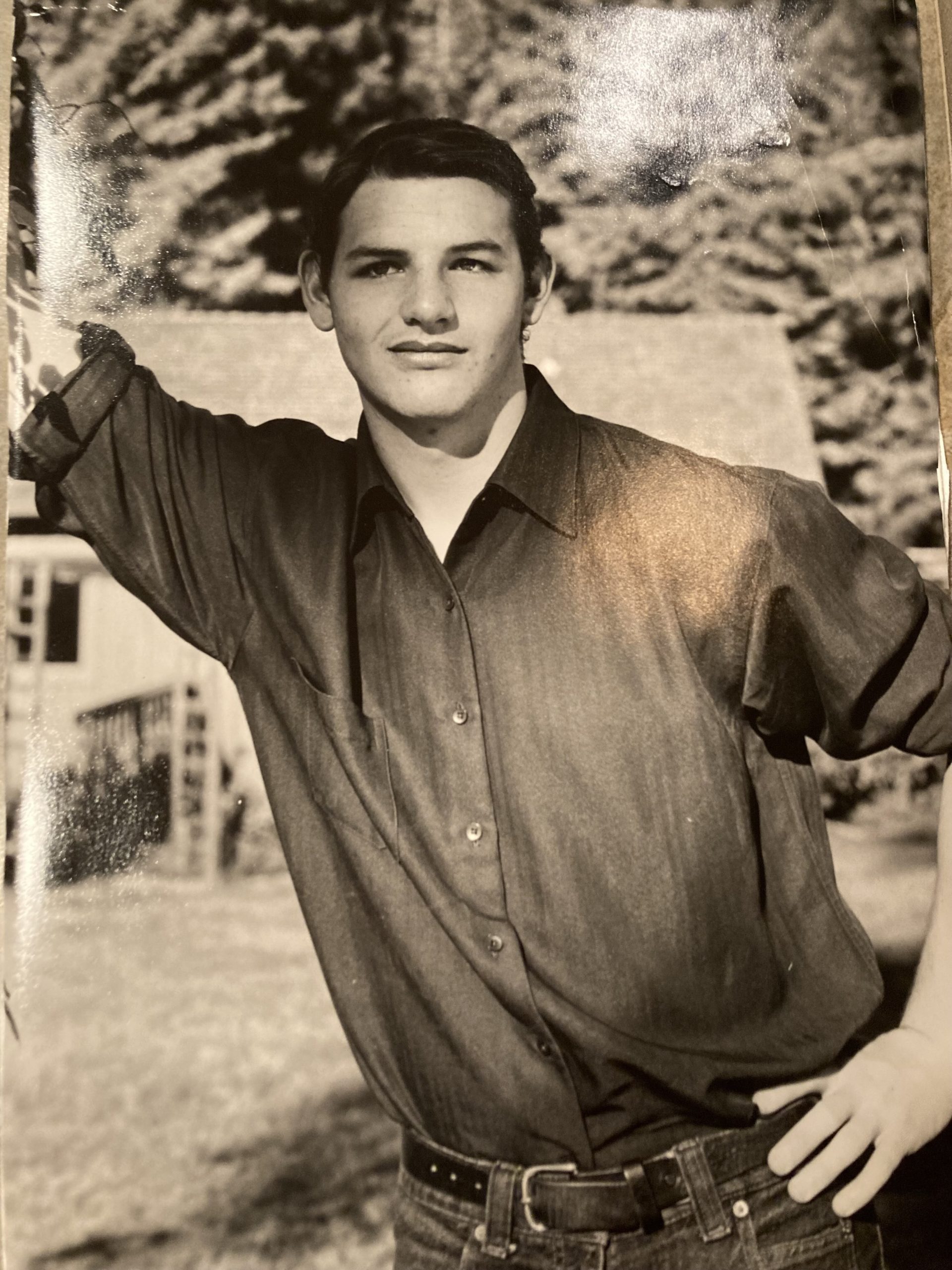
After the service, it was a delight to discover copies of both my own senior portrait as well as my father’s at Grammy’s house. I thought I had lost all the copies of my portrait, and hadn’t seen dad’s in ages. I’ll share them here, along with a picture of Grammy––three generations of Raymers, making our way from life to whatever comes after.


Wishing you all a warm, restful holiday season and a Happy New Year!